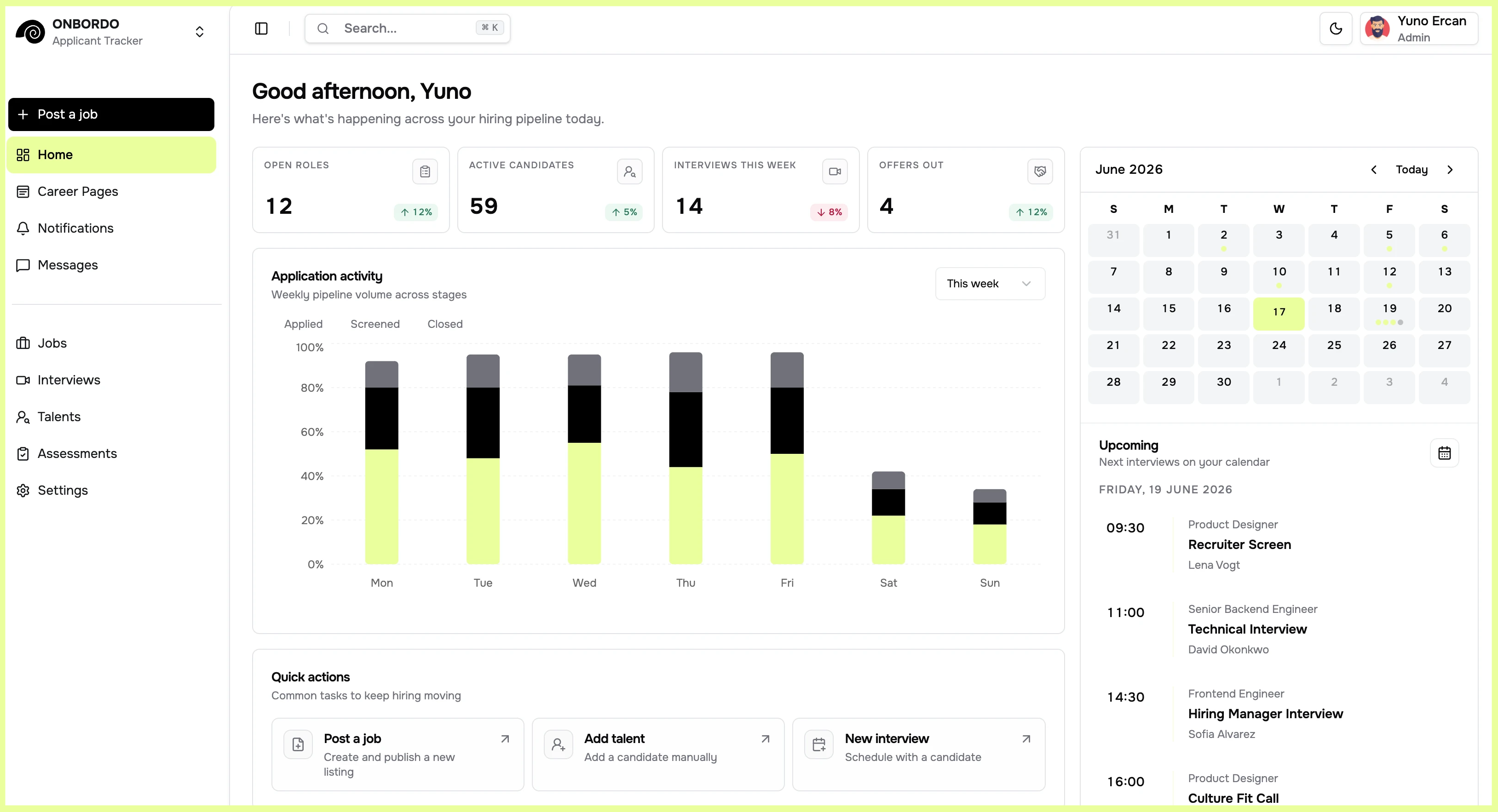
There's a threshold most companies hit without noticing. Maybe it's 15 hires a year. Maybe it's 50. Suddenly the founder who used to interview everyone can't. The spreadsheet breaks. Two hiring managers run different processes for similar roles.
Scaling hiring isn't about moving faster. It's about making the process repeatable without making it feel corporate.
Document the stages, not just the steps
Most teams know they have stages — applied, screen, interview, offer. Fewer teams agree on what has to be true before someone moves forward. Write that down. One paragraph per stage is enough.
One pipeline, visible to everyone
When hiring managers keep separate lists, candidates fall through cracks and duplicate interviews happen. A shared ATS pipeline isn't bureaucracy — it's how you stop losing people you already liked.
Separate tools create separate problems
Career page on one platform. Interviews on another. Notes in a doc somewhere. Every handoff is a place candidates disappear. Consolidating into one workspace isn't a vendor pitch — it's fewer places for things to go wrong.
Review monthly, not per-hire
Pick one metric: time-in-stage, offer acceptance rate, or source quality. Look at it once a month. Adjust one thing. Scaling breaks when every hire feels like a one-off fire drill.